Tourist Accommodations: This False Comfort Ruins Your Stay
Hello, it’s Noémie. Tourist accommodation with misleading comfort can ruin your stay: check the amenities, recent reviews and fees before booking. A beautiful photo isn’t enough to guarantee a quiet, clean or well-located room. A few simple checks can help you spot misleading comfort and avoid a bad experience. Get started now
- Read recent reviews and look for recurring comments about noise, cleanliness or amenities.
- Check the exact room: size, window, bedding, bathroom and air conditioning.
- Calculate the total price, including breakfast, parking, tourist tax and any service fees.
- Compare guest photos with those published by the property.
- Choose flexible cancellation if your dates or transport plans might change.
A good rule of thumb is to compare the price with what’s actually included, then contact the hotel if you have any doubts. To weigh up the advantages and drawbacks of a hotel stay, also see this comparison of hotels for holidays and the advice on spotting fake tourist accommodation.
Tourist accommodation: signs of misleading comfort
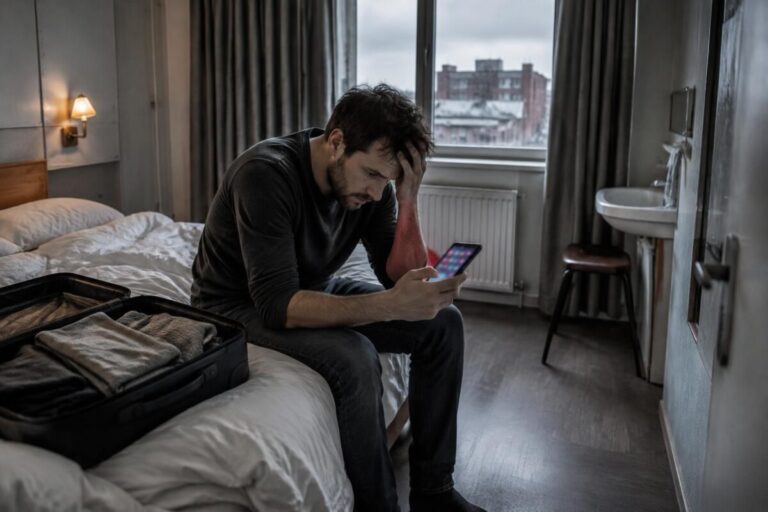
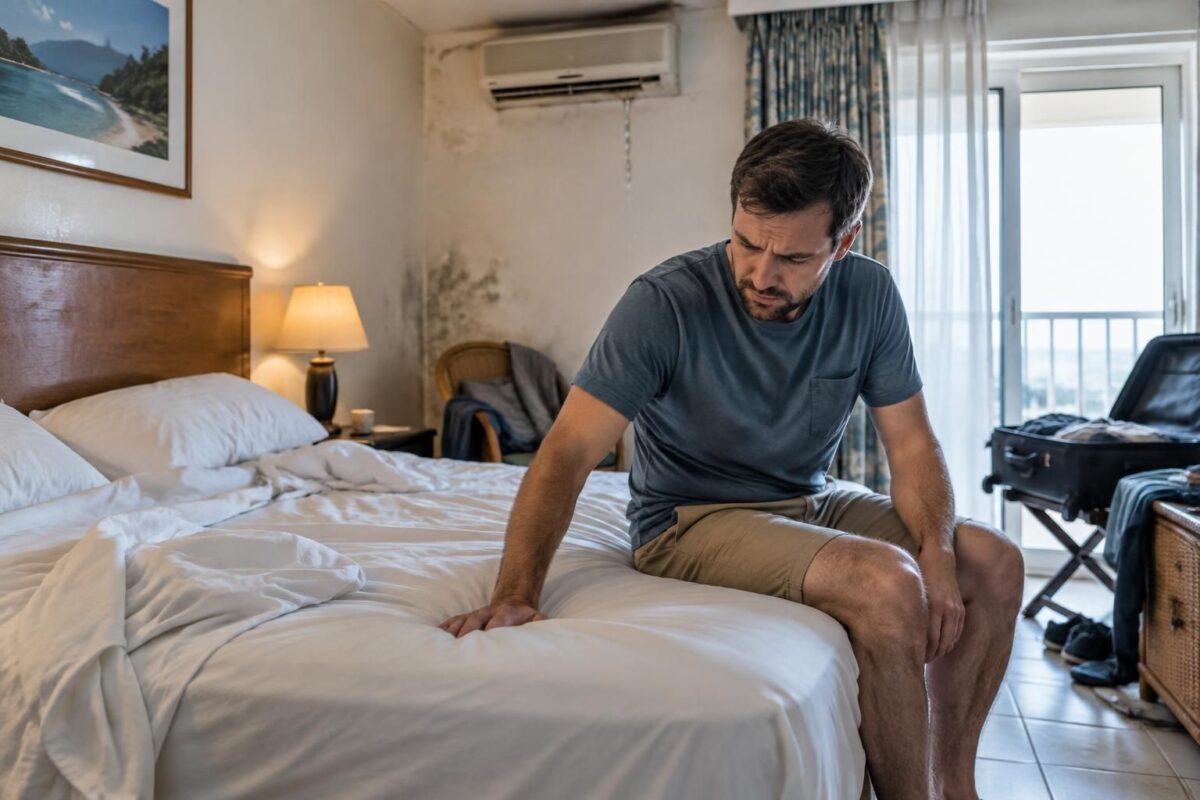
Misleading comfort isn’t just about an old-fashioned room. It’s a promise that isn’t kept: a pool that’s advertised but closed, broken air conditioning, a “room with a view” overlooking a wall, or Wi-Fi too weak for work.
These details can affect your stay, especially when combined with a poor location or unexpected fees. Check the quality of the amenities in recent reviews and in the property’s responses to negative feedback.
Amenities to check before booking
Check that the important amenities will be available during your dates. A pool may be seasonal, a spa may only be accessible by reservation, and parking may cost extra.
A common scenario: a couple books a room because it’s advertised as having a bathtub, then discovers on arrival that the bathtub is only available in a higher room category. A question sent before payment would have avoided the disappointment.
“Useful comfort is better than advertised luxury.” This principle helps you distinguish between services you’ll actually use and enticing but secondary extras.
Why disappointing accommodation can ruin your holiday
A room that’s too small or poorly soundproofed might seem acceptable for one night, but become difficult to bear over a week. In some major cities, a standard room is often around 15 to 20 m², depending on the property and room type.
Not having a kitchen can also drive up expenses, especially if you’re travelling with children or have a special diet. If you’re planning a long stay, a tourist residence or aparthotel may offer more space and a kitchenette, sometimes with fewer services than a hotel.
Two scenarios to make choosing easier
If it’s a short city break, prioritize location, comfortable bedding and a reception desk that’s easy to reach.
If it’s a week with the family, compare the accommodation’s size, kitchen and total meal costs before booking.
Hotel prices: spot the expenses that can catch you out
The advertised rate doesn’t always match the final bill. Tourist tax, parking, minibar, laundry or fees for certain facilities may be added, depending on the destination and hotel.
Booking platforms are useful for comparing prices, but check the official website too. Differences can range from around 5 to 20%, depending on the time of year, room and booking conditions, and the lowest price isn’t necessarily the best choice.
| What to check | What to verify | Why it’s useful |
|---|---|---|
| Total price | Taxes, parking, breakfast and extra fees | Avoid unpleasant surprises at checkout |
| Cancellation | Deadline and refundable amount | Limit your loss if plans change |
| Amenities | Actual availability during your stay | Avoid a promise that isn’t kept |
| Location | Distance from transport and activities | Reduce travel time and costs |
A non-refundable rate may cost less upfront, but it becomes risky if your dates aren’t certain. Compare the savings with the amount you could lose, then check the coverage provided by your bank card or travel insurance.
Book a hotel without unpleasant surprises in three steps
- Step 1: define your priorities. Write down three essential criteria, such as quiet, location or a kitchen. This helps you avoid paying for services you won’t use.
- Step 2: check the evidence. Cross-check the photos, map, recent reviews and the property’s responses. If anything is still unclear, ask for written confirmation.
- Step 3: compare the actual cost. Add up the fees, check the cancellation policy and compare the hotel with a tourist residence, holiday cottage or rental to suit your trip.
Star ratings are a guide, not a guarantee of comfort. A simpler, well-maintained property in a good location may offer better value for money than a more prestigious hotel that doesn’t suit your needs.
Choosing between a hotel and other types of tourist accommodation
A hotel is a good choice if you want to leave the cleaning to someone else, have access to a reception desk and keep day-to-day planning to a minimum. A rental or holiday cottage, on the other hand, often offers more space and independence, while a campsite can help you save money and get closer to nature.
For a stay of a week or more, a tourist residence is often a good compromise: a furnished apartment, a kitchen and some shared services. Your choice mainly depends on your routine, budget and desired level of independence.
The best accommodation isn’t the one that promises the most, but the one that clearly meets your needs. By checking the details before you pay, you can reduce the risk of disappointment and protect both your budget and your holiday time.
Questions to ask before booking tourist accommodation
How can you spot a hotel with misleading comfort?
Compare the official photos with guest photos, read recent reviews and check in writing that the important amenities will be available.
Should you book directly with the hotel?
Compare the official website with booking platforms. Booking directly may include benefits or make it easier to arrange special requests, while a platform may offer a competitive rate. Always check the terms.
What hidden fees can increase the price?
Check the tourist tax, parking, breakfast, minibar, room service and any fees for accessing facilities. The details depend on the hotel and destination.
What type of accommodation should you choose for a week with the family?
Compare a family room, an aparthotel, a tourist residence and a rental. Space, a kitchen and meal costs may matter more than hotel services.
Thanks for your interest. Yours, Noémie