Travel Deals: where exactly does your road trip go off the rails?
Hello, this is Noémie. A road trip can go off track, especially when the stages are too ambitious, the budget is underestimated, or an unexpected vehicle problem hasn’t been planned for.
A van promises freedom, but the road rewards flexibility more than clocking up the miles. To enjoy the trip without stress, it’s best to identify potential sticking points before you set off.
Good habits to adopt before your road trip goes off track
- Cut down on daily mileage : aim for around 150 to 250 km, including breaks.
- Build in some flexibility : leave half a day free in case of bad weather or an unexpected destination.
- Check the vehicle : dimensions, tires, roadside assistance, and rental terms.
- Plan your overnight stays : during peak season, have a backup option in mind in case your chosen site is full.
- Work out your road trip budget including fuel, tolls, ferries, and overnight stays—not just the rental.
A well-planned travel itinerary leaves time to stop and helps limit unexpected expenses. To plan your stops, check out this practical guide to van road trips and these tips for choosing a budget-friendly road trip destination.
The pitfall: confusing freedom with an overpacked schedule
The first sign that things are going off track is often visible on the map: too many points of interest, too few nights in the same place. In Brittany, for example, trying to link Saint-Brieuc, the Pink Granite Coast, Quiberon, and the Gulf of Morbihan in just a few days turns sightseeing into a rush between destinations.
A week per region makes for a more comfortable pace. In a van, stops to shop for groceries, refill the water, or empty the wastewater also take time: forgetting to allow for them makes your schedule fragile.
Signs that show where your trip is running into trouble
| Sticking point | What happens | Useful tip |
|---|---|---|
| Stages are too long | Driving eats into sightseeing time and tires out the driver. | Drop a stop or add a night. |
| Budget is poorly estimated | Fuel, tolls, or ferries drive up the bill. | Set aside a separate amount for these costs. |
| Booking mistake | The dates, pickup location, or options don’t match. | Read the contract again and confirm the times before you leave. |
| Rental car problem | Damage or a breakdown during the trip complicates the rest of your journey. | Photograph the vehicle and check the roadside assistance and travel insurance coverage. |
A tight budget can sometimes lead you to drive farther to avoid an extra night, but the fuel costs can wipe out the savings. The most effective road trip money-saving tips are often to shorten the route, travel in a less busy season, and book stays that are likely to fill up in advance.
Itineraries suited to the time you have
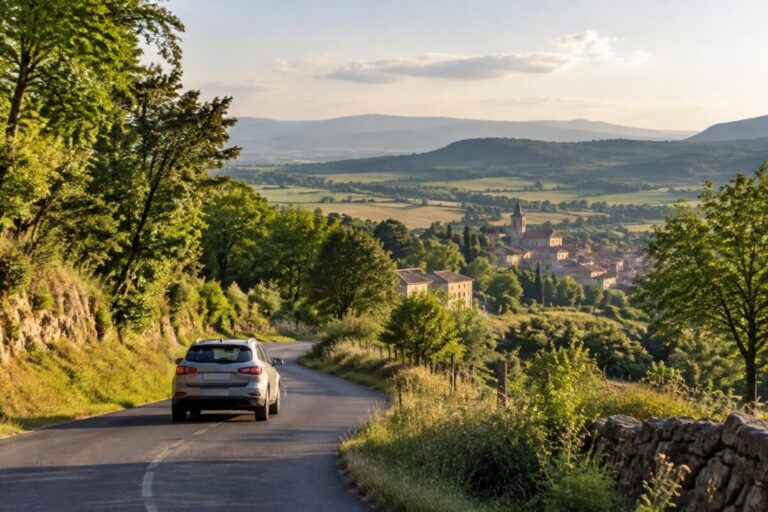
The right route depends as much on the duration as on the destination. A loop through Brittany or the Mediterranean hinterland is a good fit for a first trip, while Norway or the Highlands require more time and real confidence behind the wheel.
| Destination | Suggested duration | What to plan for |
|---|---|---|
| Brittany | About 7 days | Changeable weather and busy coastal areas. |
| Southern Corsica | 7 to 10 days | Winding roads and campsites that are in high demand in summer. |
| Andalusia | About 10 days | High summer temperatures; choose spring or fall instead. |
| Scotland and the North Coast 500 | 10 to 14 days | Driving on the left and sometimes narrow roads. |
| Norwegian fjords | 14 days or more | Distances, ferries, and a high cost of living. |
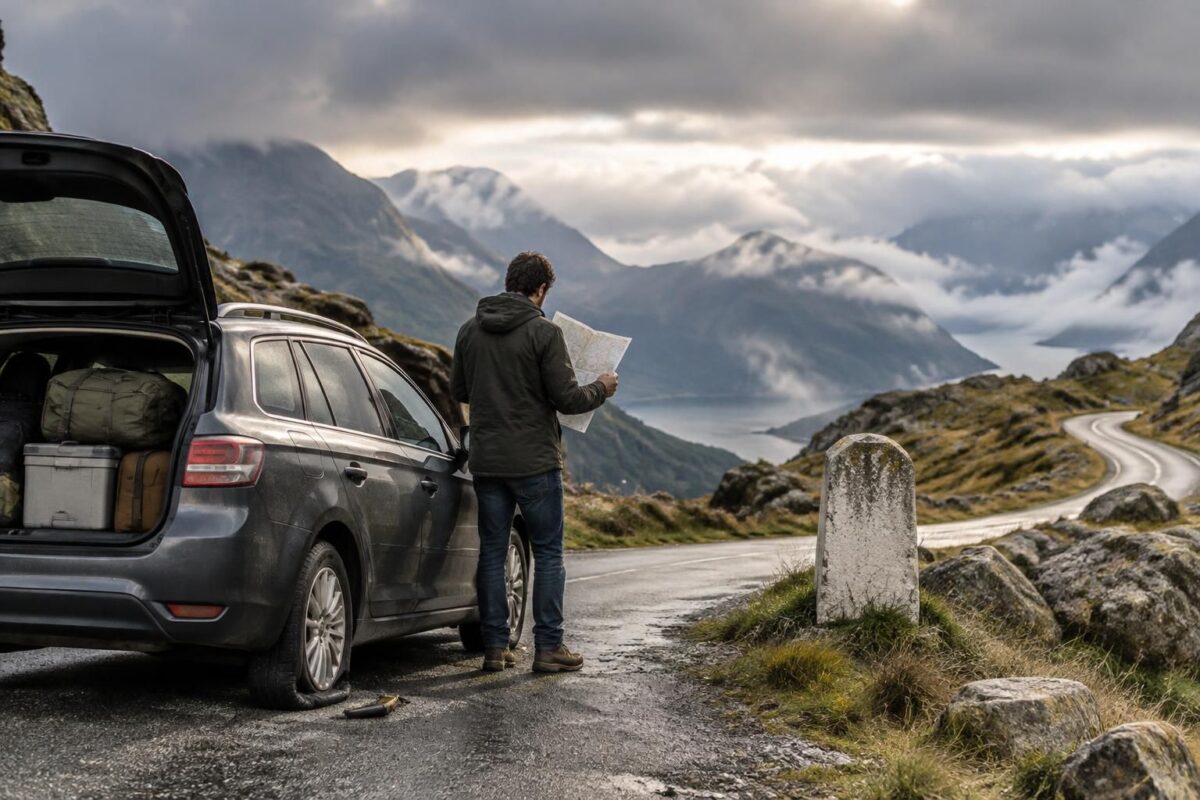
If a breakdown occurs during your trip or the weather closes a mountain pass, don’t try to “catch up” with your itinerary by driving longer. Dropping a stop often costs less than an exhausting day or an improvised overnight stay in the wrong place.
Three steps to get your trip back on track
- Take stock : note the remaining driving time, your bookings, and the expenses you’ve already incurred.
- Choose a priority : keep the stop that matters most and drop a secondary visit rather than adding more detours.
- Let people know and check : contact your accommodation or rental company if necessary, then check your roadside assistance and travel insurance coverage.
For example, if a traffic jam delays your arrival in Corsica, it’s better to let the campsite know and postpone a visit than to drive at night on a narrow road. Having room to make decisions is one of the best ways to avoid travel headaches.
Questions to ask yourself before setting off in a van
How many kilometers should you plan to drive per day in a van?
Around 150 to 250 km per day makes for a reasonable pace, allowing time to drive, take breaks, and enjoy your stops. Reduce this distance on mountain roads or small coastal roads.
Which road trip should you choose for your first experience?
Brittany or the Mediterranean hinterland are good places to start, with shorter routes that don’t involve long drives or driving on the left. Allow about a week to explore without rushing.
How can you avoid making a mistake when booking a van?
Check the dates, pickup location, included mileage, any additional fees, and the cancellation terms. When you pick up the vehicle, take photos and report any existing damage.
Can you take a budget-friendly road trip in the off-season?
Yes. Rental prices and visitor numbers may be lower, but check whether mountain passes and campsites are open, and pack warm clothing and suitable gear.
Thanks for reading! Feel free to share your thoughts in the comments. — Noémie