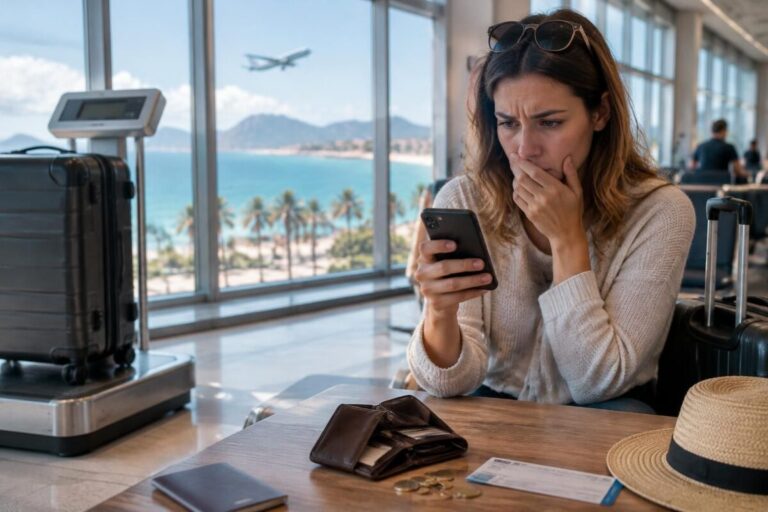
Holiday Budget: Last-Minute Expense or Hidden Cost
Hello, this is Noémie.
To avoid a last-minute trip costing more than expected, compare the total cost of the trip and set aside a buffer for unexpected expenses. A low advertised price isn’t enough: transport, accommodation, and travel insurance can quickly drive up the bill.
Last-minute holidays can be a good deal, as long as you check every expense before paying. A few simple checks can help protect your holiday budget and secure real savings.
What to do right away
- Set an overall spending limit for the trip, including transport and meals.
- Compare the final price, including taxes and baggage, before buying your plane ticket.
- Check cleaning, parking, and payment fees for your accommodation.
- Set aside 10 to 15% for unexpected expenses.
- Read the cancellation terms and check whether travel insurance would be useful.
The classic pitfall is comparing only the advertised rate. To spot expenses that can inflate the bill, also read this article about the advertised price and the final budget, along with these tips on pitfalls to anticipate before you leave.
Last minute or hidden fees: compare the real cost
A last-minute deal may reduce the price of a room or flight, but the remaining options are sometimes less convenient. A cheaper flight that arrives at night may mean an extra night’s stay or an expensive transfer.
Imagine Léa, who spots a trip for €420 per person. She adds €65 for baggage, €90 for transfers, and €45 in accommodation fees: the cost of the trip rises to €620, before meals.
| Expense | What to check | Example of an overlooked fee |
|---|---|---|
| Transport | Baggage, schedules, transfers | Late shuttle or taxi |
| Accommodation | Taxes, cleaning, parking | Cleaning surcharge |
| While you’re there | Meals, activities, getting around | Daily transport |
| Protection | Cancellation and existing coverage | Duplicate insurance |
Transport costs can turn a good deal around
Compare the plane ticket with the cost of the entire journey: baggage, transfer to the airport, and transport at your destination. For a short trip, taking the train or departing from a closer airport may work out cheaper overall.
Also check any options that are preselected during booking. Travel insurance may be worthwhile depending on the coverage already available through your bank card or policy, but paying twice for the same coverage won’t give you better protection.
Three steps to manage your holiday budget
- List your fixed expenses: transport, nights, meals, and activities already planned.
- Add extra costs: baggage, transfers, taxes, and options, then set aside 10 to 15% for unexpected expenses.
- Compare two scenarios: the last-minute deal and a more flexible option, comparing the final amount rather than the advertised price.
This approach helps you avoid making a decision under pressure. If the last-minute rate is still a good deal after these checks, booking may be worthwhile; otherwise, adjust the destination or length of your trip instead of exceeding your spending limit.
Useful questions to ask before booking
Are last-minute holidays always cheaper?
No. The price may drop, but schedules, transfers, or the remaining options can increase the total cost. Compare every expense before booking.
How much should I set aside for unexpected expenses?
Setting aside 10 to 15% of your total budget is a practical rule of thumb. You can adjust this depending on your destination and planned activities.
How can I avoid hidden accommodation costs?
Check taxes, cleaning fees, parking, cancellation terms, and any deposits before paying.
Should I add travel insurance?
Start by checking the coverage already included in your policies and payment methods. Choose additional insurance if it covers a specific risk that isn’t already covered.
Thanks for reading! Feel free to share your thoughts in the comments. — Noémie