Tourist Accommodations: This Neighborhood Could Ruin Your Stay
Hi, this is Noémie.
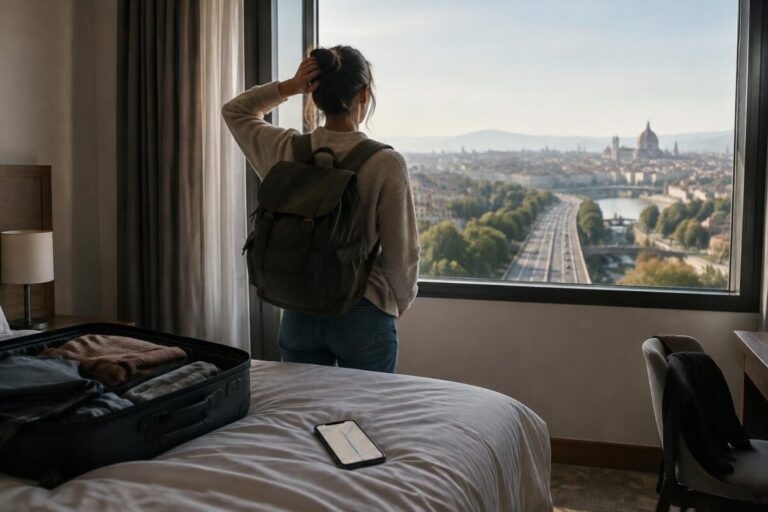
To avoid letting a neighborhood spoil your stay, check the noise, safety and transport options around your accommodation before booking.
An appealing address can hide a lively street at night, complicated journeys or a lack of cleanliness in the surrounding area. A few simple checks can help you choose a location suited to your pace and budget.
Things to do right away
- Pinpoint the exact address on a map, not just the name of the neighborhood.
- Read recent traveler reviews, looking for mentions of noise, cleanliness and safety.
- Check the transport options and estimate the actual time it will take to reach the places you want to visit.
- Look at the surroundings using street images, both during the day and at night if possible.
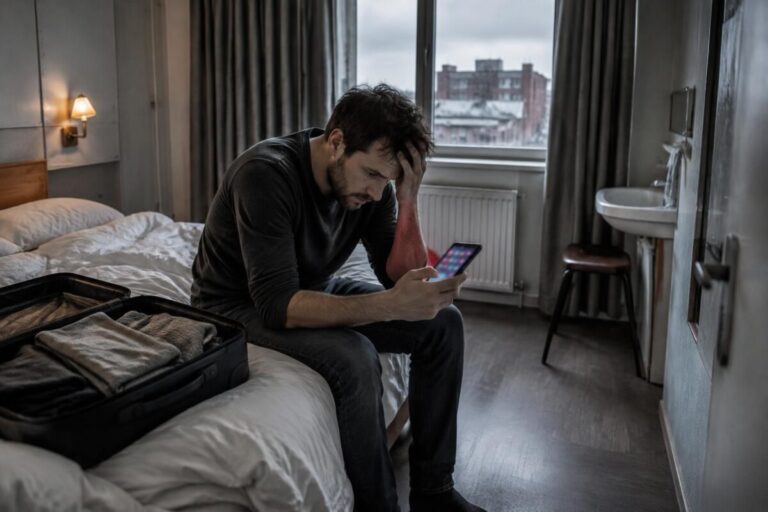
- Compare the price with the comfort of your stay: saving money can cost you in travel time or shortened nights.
To explore further the neighborhood detail that changes everything, also compare the trade-offs of a cheap but isolated neighborhood with your actual needs. The best choice isn’t necessarily the most central one: it’s the one that lets you sleep well and get around without wasting hours.
The noisy-neighborhood trap: signs to look out for
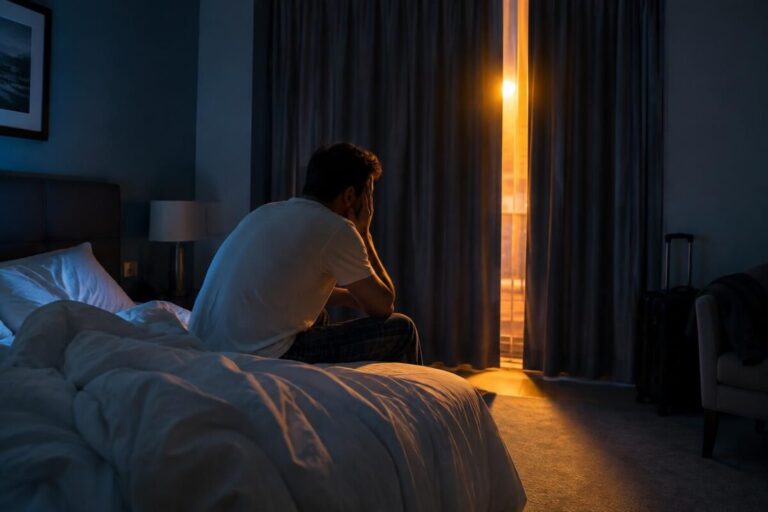
A noisy neighborhood isn’t limited to streets lined with bars. A busy avenue, a train station, an early-morning market or construction work can also disturb your rest, sometimes at unexpected hours.
Look at recent reviews and watch for recurring words and phrases: “music,” “traffic,” “poorly insulated windows” or “woken up early.” One isolated review may reflect a one-off bad experience, but several similar comments point to a real risk.
Assess noise based on your plans
If you plan to come back late and enjoy the nightlife, a lively street can be convenient. If you’re traveling with children or have busy days planned, the same location could make your stay less comfortable.
For example, Léa books accommodation near a central square so she can explore on foot. The photos look appealing, but several reviews mention terraces that stay open late: choosing a room overlooking a courtyard might have helped her avoid restless nights. Check which way the windows face and ask whether quieter rooms are available.
Safety, cleanliness and transport: compare before booking
Don’t judge an area based on a general impression or an outdated reputation. Instead, look at practical details: street lighting, open businesses, access to transport and the condition of the area around the address.
| What to check | Useful indicator | Question to ask yourself |
|---|---|---|
| Safety | Well-lit access, secure entrance, detailed traveler feedback | Does the route back to your accommodation in the evening seem straightforward? |
| Cleanliness | Recent reviews of the street and common areas | Do the same comments keep appearing across multiple stays? |
| Transport | A nearby stop and schedules that suit your plans | How long will it actually take to get to the places you want to visit? |
| Noise | Comments about traffic, bars or construction work | Does the accommodation face a busy street? |
A metro stop five minutes away doesn’t guarantee a convenient journey if the line doesn’t serve the places you want to see. Also calculate transfers and your journey back in the evening: a well-connected location can save you time without making you pay for the most expensive neighborhood.
The 3-step method for choosing the right neighborhood
1. Define your travel priorities
Write down your two or three essential criteria: peace and quiet, nearby nightlife, budget, access to attractions or an easy journey back. This list will help you avoid booking based solely on attractive decor or a tempting price.
2. Cross-check the map and traveler reviews
Check the exact address, walking distances and transport options, then compare this information with recent reviews. If reviews often mention noise or difficult access, treat that as a factor in your decision, not a minor detail.
3. Ask a specific question before paying
Ask whether the room faces the street, whether any construction work is planned or whether it’s easy to get back after a late night out. A clear answer can resolve your concerns; a vague answer is a good reason to compare another address. The right neighborhood choice is confirmed by concrete facts.
How can you tell if accommodation is in a noisy neighborhood?
Read recent reviews, look for repeated comments about music, traffic or construction work, and check which way the rooms face.
Are traveler reviews enough to assess safety?
They provide useful information, but also check the exact address, lighting along the routes and practical details about access to the accommodation.
Should you always choose accommodation in the city center?
No. An area that’s a little less central may offer more peace and quiet and a better price, as long as transport makes it easy to reach the places you want to visit.
What is the first thing to check before booking?
Start with the exact location, then check the noise, transport options and recent reviews to see whether the address suits your plans.
Thanks for reading! If this resonates with you, share your experience in the comments. — Noémie