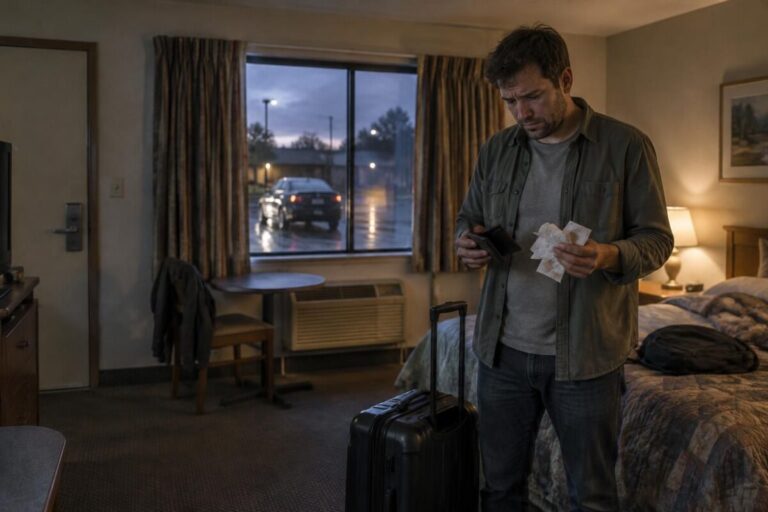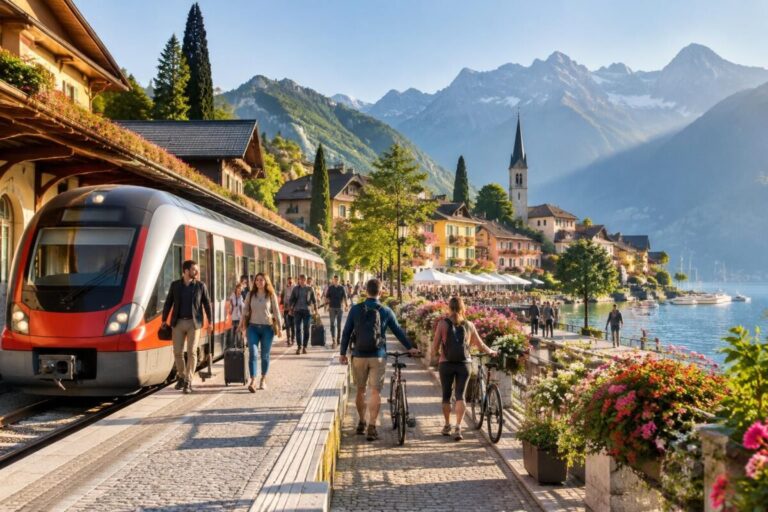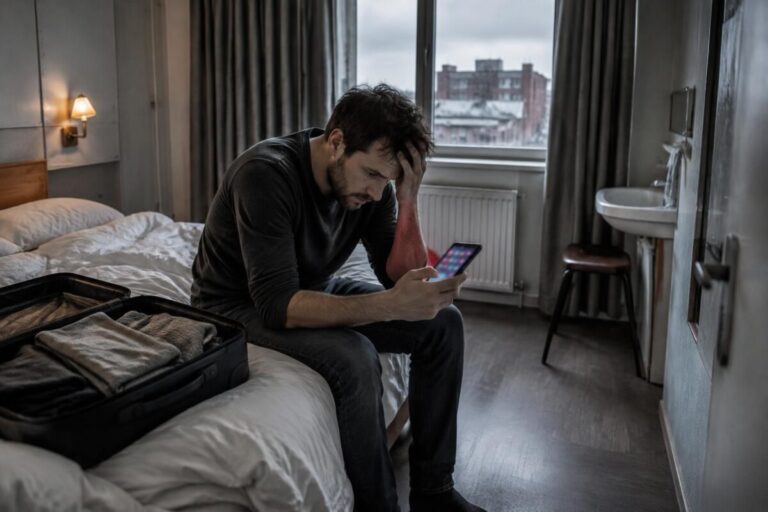

Tourist Accommodations: staying far away complicates your whole trip
Hello, it’s Noémie. Sleeping too far from your route adds miles, fatigue and sometimes unnecessary costs to your cycling trip.
So choosing well-located accommodation isn’t just about the price per night. When travelling by bike, its proximity to your route, shops and services can make all the difference.
Do this now
- Look for accommodation near your route, not just places that seem affordable.
- Check the distance between your accommodation, planned route and essential shops.
- Ask where your bike and panniers can be stored overnight.
- Keep a backup option in case the campsite or hostel is closed or fully booked.
- If rain is forecast, choose a proper building rather than taking a late detour.
A low rate can lose its appeal if your accommodation means riding an extra 15 or 20 kilometres, sometimes on an unpleasant road. To avoid this trap, compare the true cost of the detour with the services included, such as a shower, bike shelter or breakfast. These pointers can help you choose accommodation close to your route and understand why a poorly located overnight stay weighs on the whole trip.
The trap of accommodation too far from your cycling route
On a map, a detour of a few kilometres often seems insignificant. After a day of cycling, however, it can add to an already long stage, delay dinner and make the next day’s start more complicated.
Imagine Léa, who plans to ride 60 kilometres between two villages. She books a cheap campsite 12 kilometres from her route. The detour adds 24 kilometres there and back: her actual stage becomes 84 kilometres, not counting shopping or finding the campsite entrance.
The true cost of a night’s stay is about more than the rate
Add the time and energy needed to reach the place to the price of the room or pitch. An €18 campsite may be less appealing than a €35 hostel if it means a long climb, backtracking or having a meal far from everything.
Proximity also matters for water, food and transport. A hotel near a train station can be useful if you need to cut a stage short, while a bed and breakfast in the centre of a village makes it easier to shop in the morning.
Which accommodation should you choose based on distance and your stage?
Each type of accommodation meets a different need. Camping is a good option when you want to keep costs down and the weather is favourable. A hostel or bed and breakfast is more practical for drying your gear and recovering after several days of cycling.
The “Accueil Vélo” label can also be a useful guide: it indicates that the establishment is set up to welcome cyclists and their bikes. It doesn’t guarantee a low rate, but it can help avoid an unpleasant surprise about bike storage.
| Accommodation | Best when… | What to check |
|---|---|---|
| Campsite | You want to keep costs down and the weather is good. | Distance to shops and any special rate for cyclists. |
| Hostel | You need a kitchen, a place to dry your laundry or a shelter. | Check-in times and whether you need to book during busy periods. |
| Bed and breakfast | You’re looking for a personal welcome and breakfast on site. | Availability, which is often limited to just a few rooms. |
| Hotel | Rain, fatigue or a need to rest makes comfort a priority. | Whether you can keep your bike in a locked room or in your room. |
As a rough guide, a campsite may cost around €10 to €25 per night for two people in high season, while a hotel in Western Europe often starts at around €50. Prices vary by destination and season: always compare the rate with the distance, facilities and expenses you’ll avoid.
A free night’s stay can also take you away from your route
Wild camping or staying with a local can help reduce expenses, but it’s not always something you can arrange at the last minute. For wild camping, check local restrictions, respect private property and make sure you have enough water. Cyclist hosting networks can be a friendly option, provided you contact your hosts well in advance.
Before pitching your tent at someone’s place or choosing an isolated spot, also consider the terrain and the safety of the location. Looking for a place to stay as daylight fades increases stress and can sometimes lead you to accept a spot that isn’t suitable.
Plan your overnight stays without turning your stage into a race
Booking every night brings peace of mind, but reduces your freedom to change your route. On the other hand, making no plans can make the end of the day difficult in July or on a route with few accommodation options.
A good compromise is to identify two or three options in the area where you think you’ll finish your stage, then call in the early afternoon. That way, you can adjust the distance to suit your fitness, the weather and the condition of the route.
A simple three-step process
- Set a realistic arrival area. Estimate your cycling time, then add some leeway for breaks, shopping and unexpected delays.
- Compare accommodation near your route. Check the actual detour, price, opening hours and bike-friendly facilities.
- Confirm before you commit. Call the establishment to check availability, bike storage and cancellation terms.
If rain is expected to last or you need to recharge your devices and dry your gear, a night indoors can help you keep going on the next stages. The best choice is the one that protects your budget, energy and the pace of your trip.
How can I avoid accommodation that is too far from my route?
Find the address on a map and check the actual detour by bike, not just the straight-line distance. Also consider shops, terrain and access roads.
What accommodation should I choose for a budget cycling trip?
Wild camping, staying with a local and some campsites can help reduce expenses. Check local rules, availability and the cost of detours before choosing.
Should I book every night in advance?
For a short trip during high season, booking fixed stages can provide peace of mind. On a long trip, identifying several options and calling in the early afternoon helps you stay flexible.
What should I check before booking a hotel or hostel?
Ask where your bike will be stored, whether access is secure and whether the hours work for your stage. Also check the cancellation policy and the distance to your route.
Thanks for reading! Feel free to share your thoughts in the comments. — Noémie